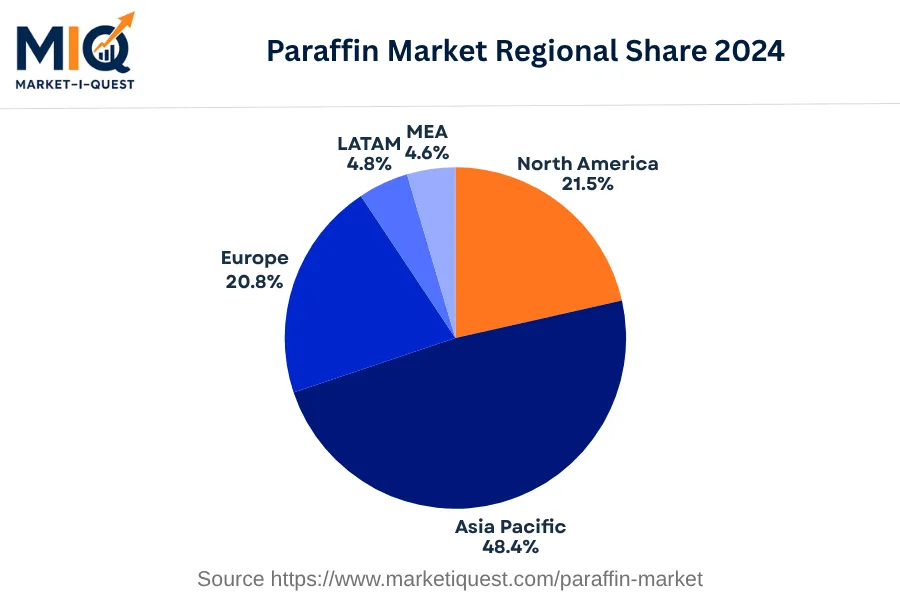
In 2024, the European paraffin market was strongly influenced by various factors and saw distinct trends, particularly in major economies such as Germany, the United Kingdom, France, Italy, Spain, the Nordics, Benelux, and Central & Eastern Europe.
Demand for paraffin soared due to its increased use in candles, cosmetics, and food industries. Investment grew, particularly in regions like Spain and Italy, due to rising local manufacturing capacities. Paraffin pricing surged due to limited supplies coupled with a preference for low-aromatic white oils in the automotive and textile sectors. Regulation changes acted as a significant driver, with the EU mandating environmentally-friendlier options in candle-making and cosmetics. The technology adoption also charted growth, with new wax blending and processing technologies in use.
Consumer preference trended toward organic and natural substitute products, significantly impacting purchase behaviour. Online channels became dominant due to convenience and accessibility, while industry firms engaged in strategic partnerships to secure raw material supplies, especially in regions like Benelux and Central & Eastern Europe. Enforcement of regulation EU No 528/2012 led to a switch toward biocidal products, leading cosmetic manufacturers to explore alternatives. The utility sector, along with manufacturing and retail industries, heavily consumed paraffin in Europe in 2024. We witnessed a decreasing government procurement, due to their sustainability goals, marking a significant shift for the paraffin market.