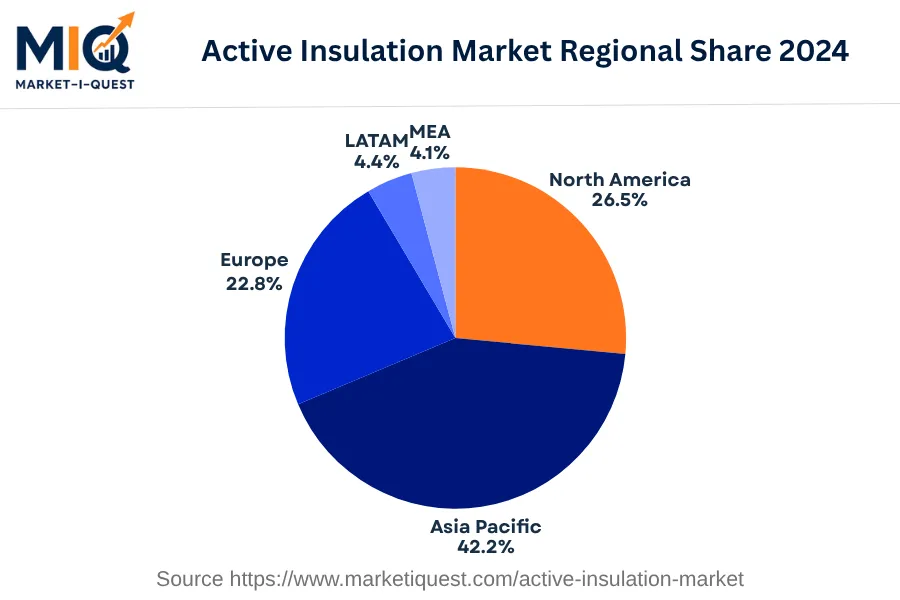
In 2024, the active insulation market in the Middle East and Africa exhibited dynamic growth. Drivers include heightened construction activities across key economies such as Saudi Arabia and United Arab Emirates, instigating demand for energy-efficient insulation materials. Regulatory pressure to reduce carbon footprint further propelled market growth, with countries like Egypt, South Africa, and Kenya implementing stringent energy conservation standards. The adoption of advanced insulation technologies, backed by significant investments in the manufacturing sector in countries like Saudi Arabia, UAE, and Israel, also amplified the market.
Market trends showcased a shift in buyer behavior with preference given to sustainable insulation products, particularly within the telecommunications and healthcare sectors. Digitalization has facilitated product selections, with online sales channels gaining prominence in regions like Nigeria and South Africa. An increase in M&A activities to leverage market share and consolidate businesses, most notably in Saudi Arabia and UAE's utilities and retail sectors, was observed. Standardization across products met challenges with enforcement discrepancies in countries such as Egypt and Kenya. The active insulation market served various sectors, including government buildings, oil and gas installations, healthcare facilities, and manufacturing units, with substantial demand noted in Saudi Arabia, South Africa, UAE, Israel, Nigeria, and Kenya.