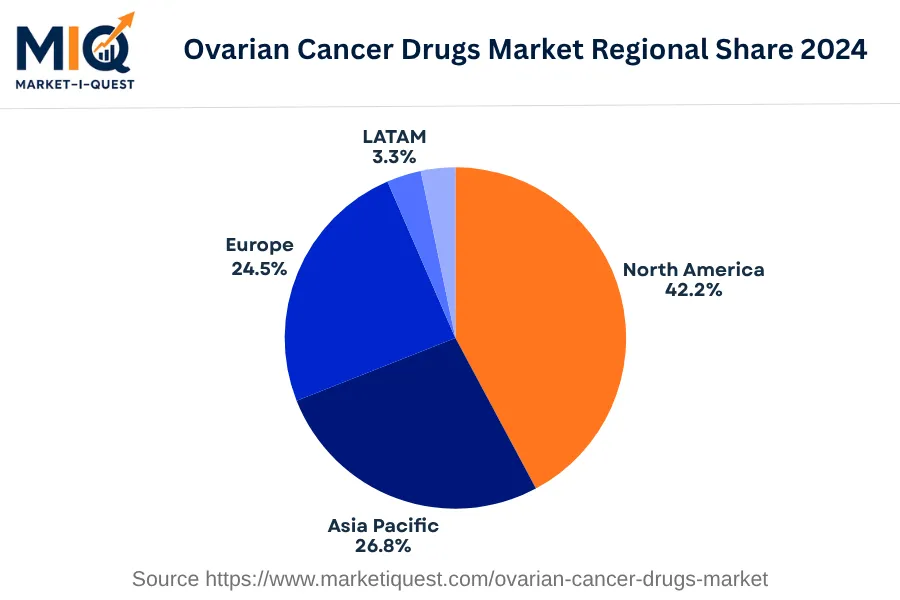
The North American Ovarian Cancer Drugs Market was defined by robust demand and innovation in 2024. First, patient demographics, comprising aging women and hereditary cancer cases, underpinned market growth. Second, regulatory ease, as demonstrated by FDA fast-tracking oncological drug trials, spurred pharmaceutical investments and fostered technological advancements. Finally, the Canadian government's increased budget allocation towards cancer research facilitated the entrance of new market players, contributing to competitive pricing dynamics.
Simultaneously, trends shaping the market included a noticeable shift towards personalized medicine. Ashkenazi Jewish women, being at a higher genetic risk, drove the uptake of PARP inhibitors with individualized treatment plans, particularly in the U.S. The adoption of Artificial Intelligence by tech giants like IBM Watson in drug research fast-tracked discovery of new therapeutics. Strategic mergers, as epitomized by the GSK-Tesaro acquisition, expanded product portfolios, enhancing oncology treatment options. Lastly, policy enforcement, such as the U.S. ‘Right to Try,’ fostered easier access to experimental drugs for terminal patients.
Across healthcare and research sectors, there was clear alignment. Healthcare providers prioritized targeted therapeutics, and research institutions focused on maximizing the efficiency and scope of ovarian cancer drugs. This synergy underlined the growing impact of ovarian cancer drugs on North America's healthcare landscape in 2024.