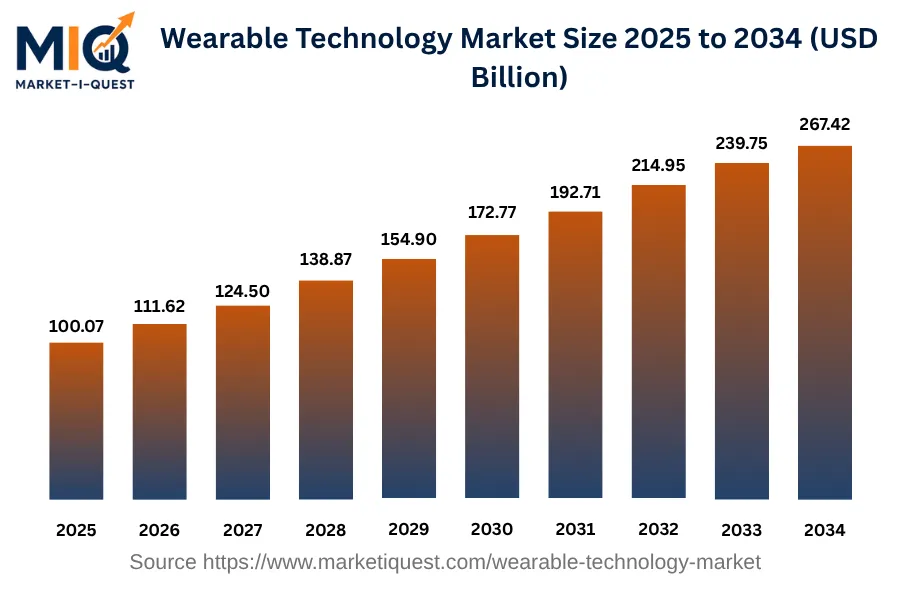
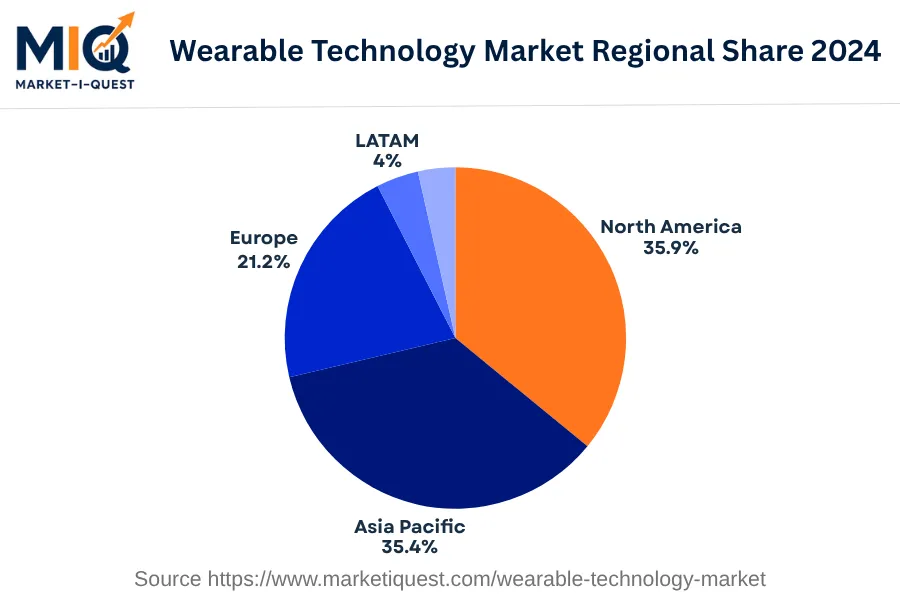
The wearable technology market is witnessing significant advancements, particularly in health monitoring features. For instance, in 2023, Apple rolled out the Apple Watch Series 8, which includes advanced temperature sensing and crash detection capabilities. Concurrently, Fitbit introduced its Charge 5, integrating ECG monitoring aligned with the FDA guidelines released in 2021. Bluetooth 5.0, standardized by the Bluetooth Special Interest Group in late 2016, remains crucial for connecting wearables to smartphones with enhanced data transfer speeds and range. Regionally, in Japan, the Ministry of Health, Labor and Welfare in 2022 endorsed wearables for elder care monitoring, promoting increased adoption among caregiving organizations. Additionally, the launch of Wear OS 3 by Google in 2021 has enhanced the interoperability of wearables, highlighting the importance of integration within the health ecosystem. Moreover, advancements in artificial intelligence have allowed companies like Garmin and Samsung to offer personalized health insights, improving user engagement since 2020. The shift towards contactless payment technology is noteworthy; from 2020 until 2023, major brands like Garmin Pay and Samsung Pay expanded their functionalities, enabling users to conduct transactions through their smartwatches. Notably, regulatory frameworks such as the General Data Protection Regulation (GDPR) in Europe influence data handling practices for wearables, emphasizing the need for robust privacy measures.