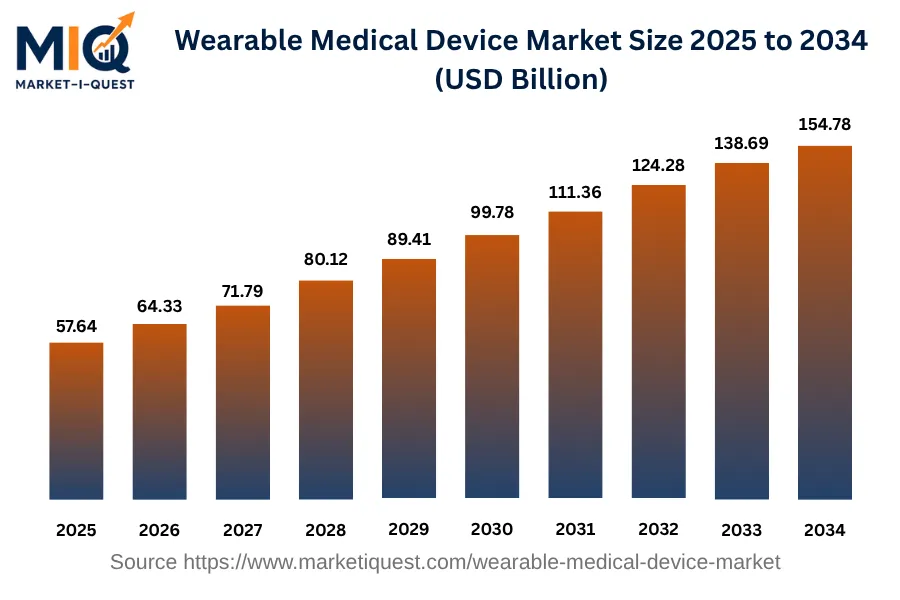
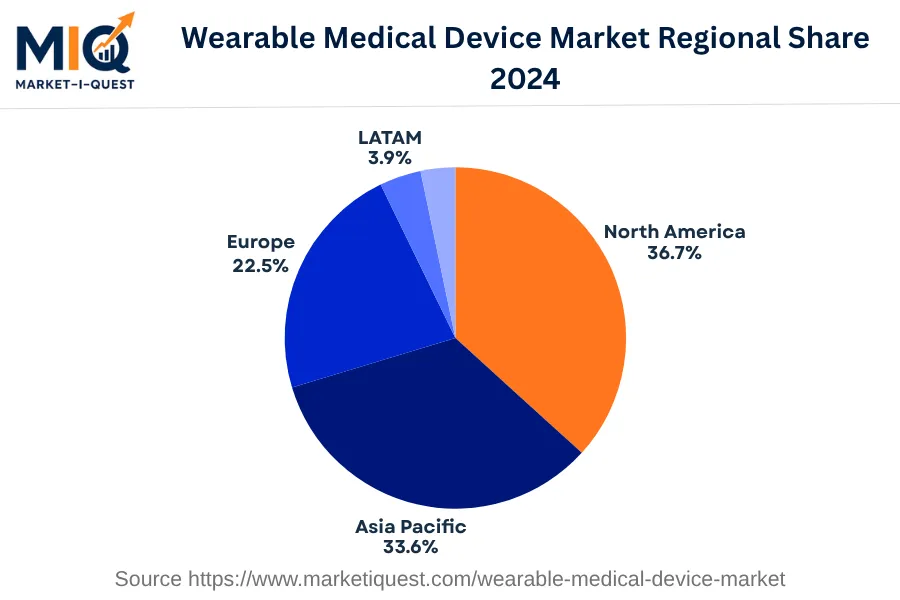
In 2024, the Asia Pacific (AP) wearable medical device market witnessed substantial growth, driven primarily by surging healthcare expenditures and rising patient awareness in key markets such as China, India, South Korea, Japan, Australia, and ASEAN countries. Regulatory policies favoring digital health adoption, coupled with increasing investments in healthcare infrastructure also fueled the demand for wearable medical devices. China’s emphasis on AI integration in healthcare, India’s augmenting startup culture for medical technology, along with Japan's developed healthcare system accelerated technology adoption. However, supply constraints in South Korea and Australia, due to stiff competition and strict regulatory compliance, impacted market dynamics.
Key trends involved tech giants entering healthcare: Tencent’s WeChat, a popular platform in China, incorporated health service offerings, and Indian conglomerate Reliance Industries ventured into telemedicine. In Japan and South Korea, patients gravitated towards wearable devices for remote health monitoring due to a rapidly aging population. ASEAN markets showcased a rise in e-commerce, changing channel dynamics, and increasing the accessibility of devices. Sector-wise, healthcare providers heavily incorporated wearable technology for efficient patient management. Governments across the region, particularly in Australia and China, witnessed an increased drive towards digital health strategies. Meanwhile, the retail sector in AP capitalized on the trend of 'health-conscious' consumers, driving further market expansion. Overall, 2024 represented a robust year for the wearable medical device market in the AP region.