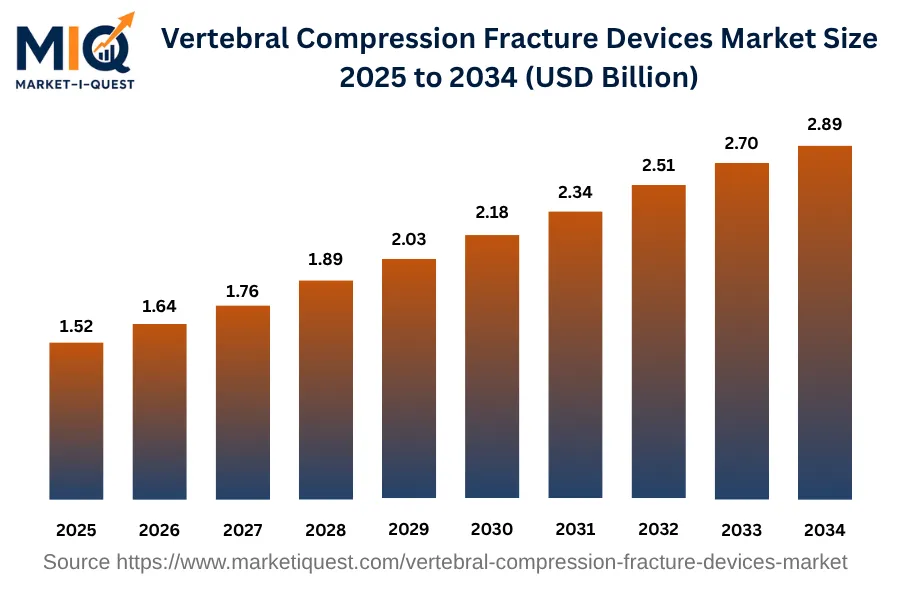
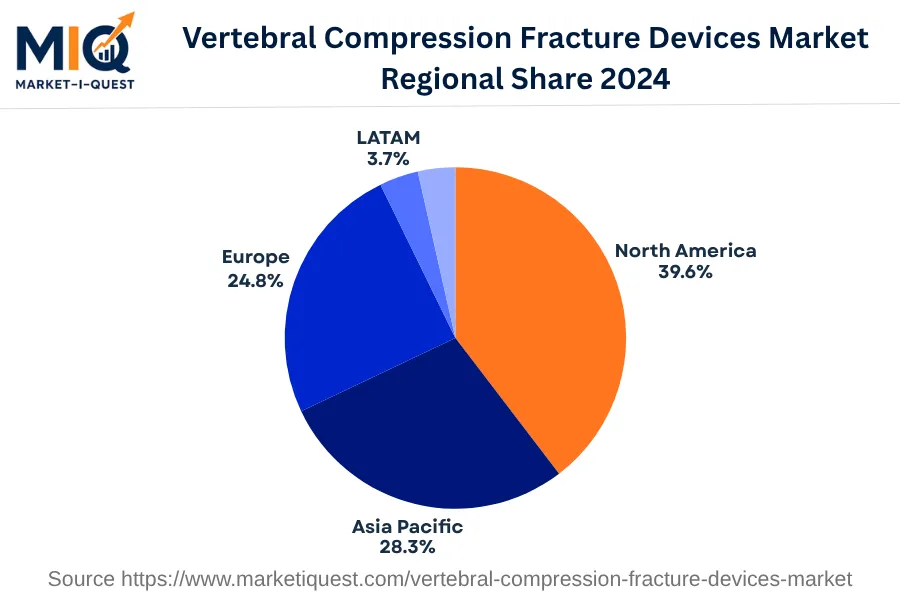
In 2024, the European market for Vertebral Compression Fracture (VCF) devices displayed notable growth and dynamism. This was driven by an enhanced understanding of osteoporosis and its link to VCFs, particularly in countries like Germany and the UK, which increased diagnosis rates. This increased awareness was mirrored by healthcare professionals who were gradually adopting minimally invasive VCF devices, further contributing to market expansion. Moreover, investment in healthcare infrastructure across Europe, spearheaded by France and Nordic countries, created a favourable market environment.
Simultaneously, there was a discernible shift in the end-use sectors. As hospitals in Italy and Spain increasingly integrated digital technologies, a clear trend of adopting real-time data sharing and imaging systems for VCF procedures emerged. In addition, there was a surge in strategic partnerships and mergers between major players, primarily within the Central and Eastern Europe region, to expand their market presence and leverage shared technologies. In line with this, policy enforcement on healthcare standards, including the EU Medical Devices Regulation, was strictly observed, underlining a commitment to patient safety. Despite these advancements, the cost of VCF devices posed a challenge, especially in cost-constrained environments like Benelux, influencing providers to seek innovative solutions. Throughout 2024, the convergence of these factors shaped the profile of the European VCF devices market.