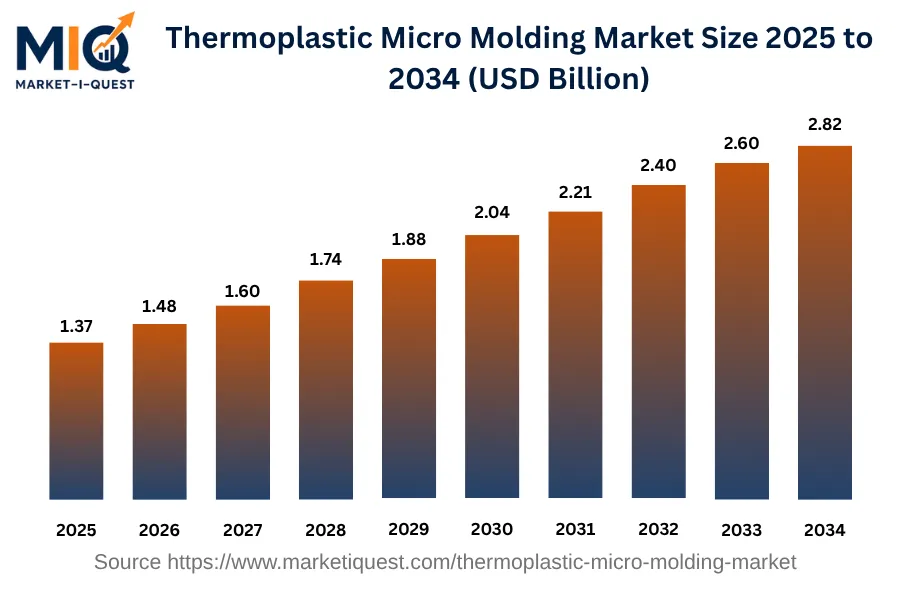
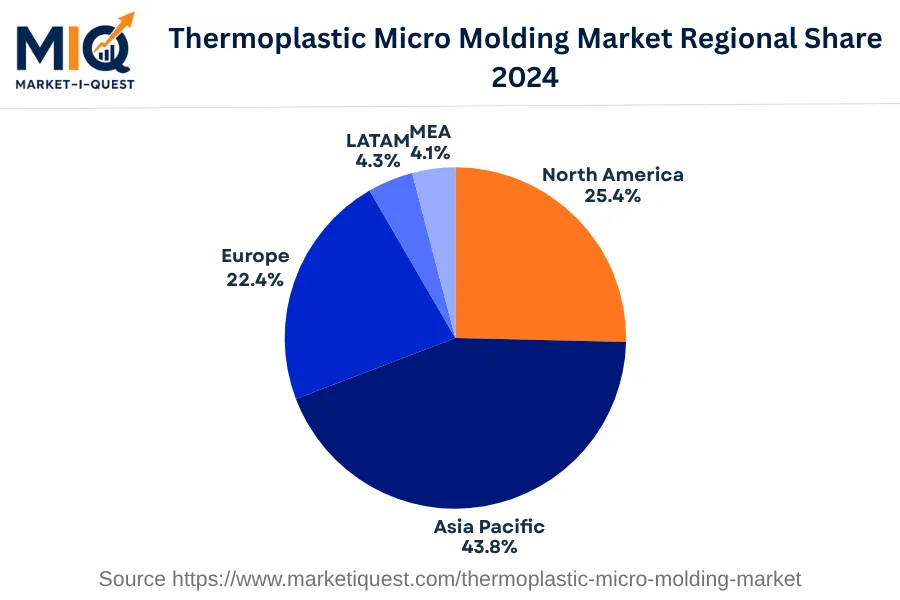
In the base year 2024, the European Thermoplastic Micro Molding market encountered considerable growth driven by various factors. Bolstered demand in sectors like healthcare, automotive, and manufacturing formed a key driver. Regulations encouraging eco-friendly practices boosted the adoption of thermoplastic micro molding, adding to this demand. Significant investments from countries like Germany and Benelux created a more competitive market, promoting advancements in technology and production methods. However, intricate supply dynamics in Italy and Spain, and price volatility, occasionally hindered market progress.
Trends within this market sphere largely steered towards sustainable product development. There was an observable shift in buyer preferences, with businesses displaying an inclination towards recyclable thermoplastic solutions, particularly in France and the United Kingdom. Greater technology adoption accelerated production and efficiency, with companies harnessing innovations like 3D printing for molding processes. Partnerships, particularly in the Central and Eastern Europe region, stimulated market expansion, as companies sought synergies in resources and technology. Strengthening policy enforcement from governments ensured stricter adherence to sustainability norms in the industry. This broad market behavior encompasses sectors like healthcare, which turned to thermoplastic micro molding for creating intricate components at lower costs, making its adoption especially common among medical device manufacturers. Retail and manufacturing sectors also witnessed a surge in usage, advocating the material's durability and design flexibility. Across Europe, the thermoplastic market’s drivers and trends suggest growth rooted in technology adoption, sustainability, and sector-wise demand.