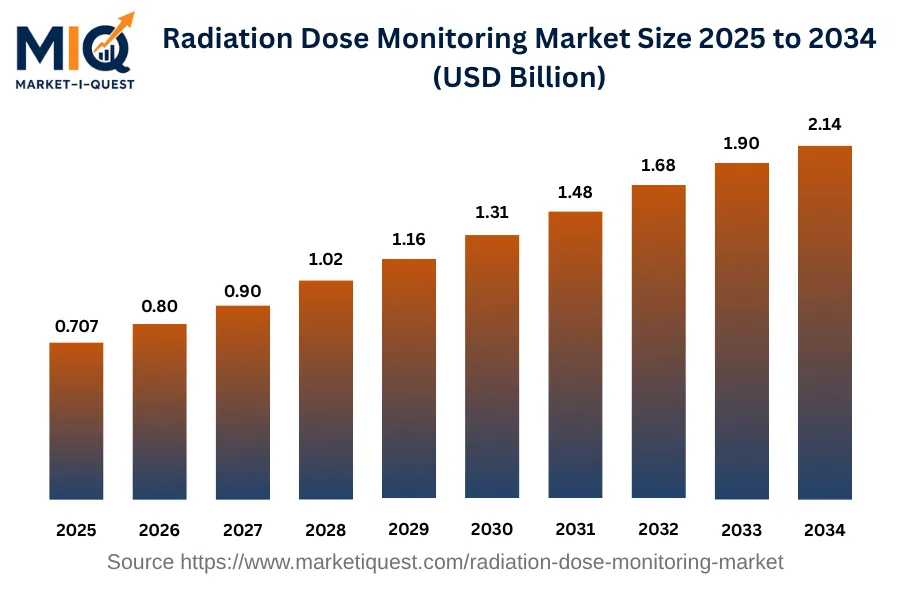
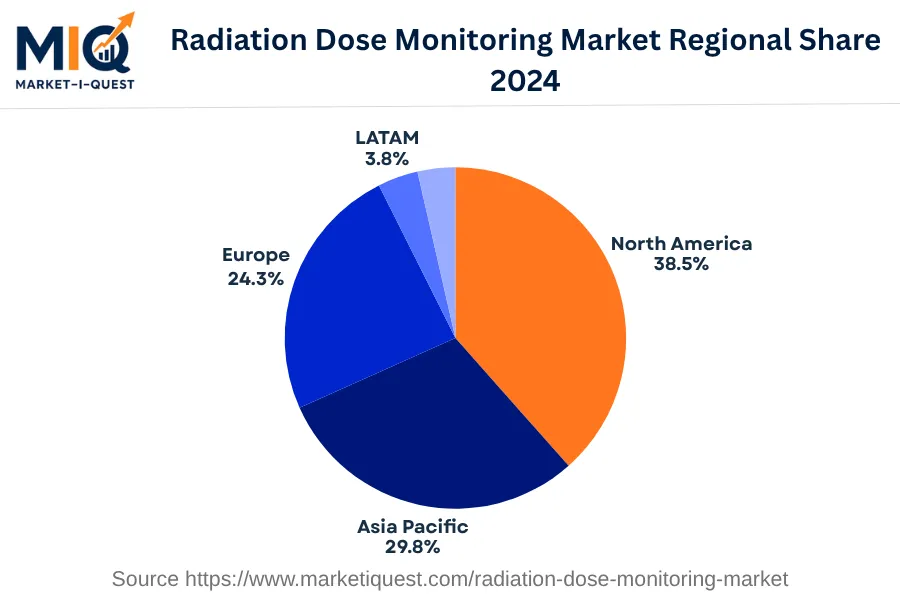
In 2024, the Radiation Dose Monitoring Market in Latin America showed noticeable development in line with increased regulatory measures and technology adoption. The sector was driven by the stringent regulations put forth by governments, especially in Brazil and Argentina, that spurred healthcare providers to monitor and limit patient exposure to radiation. Moreover, increased investment in healthcare infrastructure and equipment across the region, particularly in Mexico and Colombia, boosted supply dynamics as manufacturers stepped up to meet consumer demand.
Emerging trends included significant shifts in product technology and a rise in partnerships among healthcare providers, manufacturers, and government bodies. As the adverse effects of excessive radiation exposure became more evident, healthcare and government sectors increasingly automated their dose monitoring systems, adopting AI-based applications to ensure accuracy. In Chile and Peru, hospitals and diagnostic centers started collaboration with manufacturers to procure state-of-art monitoring solutions. The shift towards firm healthcare safety standards triggered increased demand for dose-management systems from healthcare sectors such as radiology, oncology, and cardiology. Concurrently, the stress on strict policy enforcement catapulted the market for radiation dose monitoring devices, with government and enterprise sectors focusing on compliance. The primary focus was integrating radiation safety into a comprehensive healthcare service, aligning with broad LATAM investment in public health.