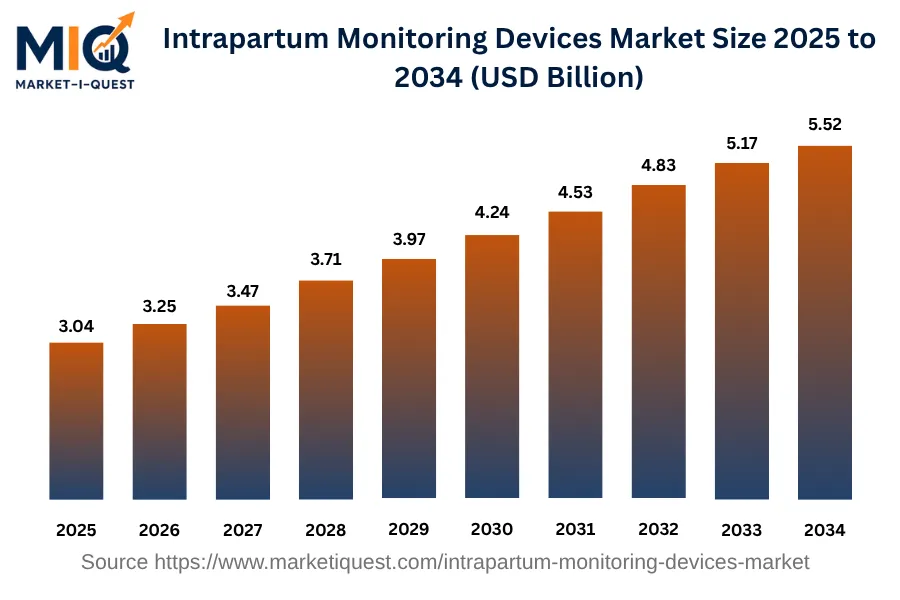
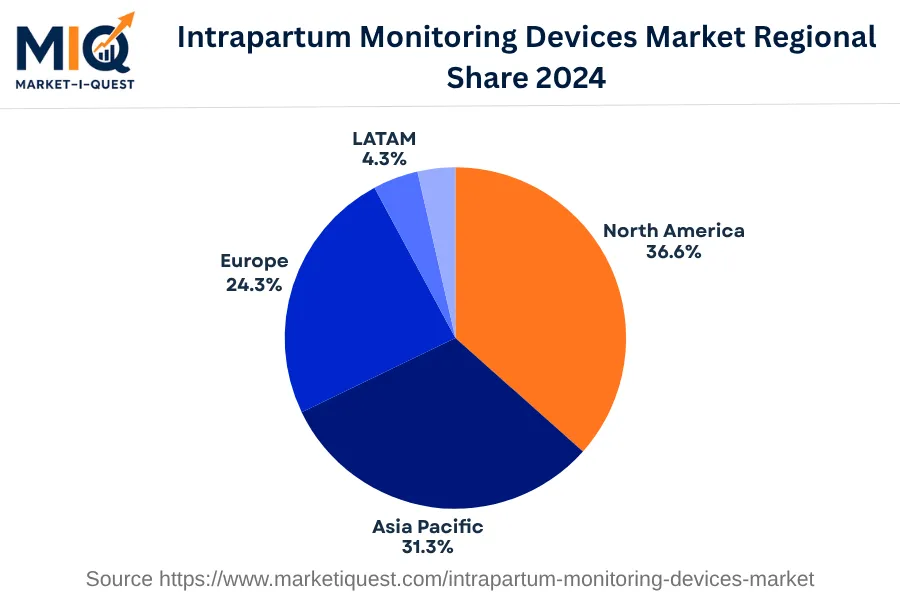
In 2024, the North American market for Intrapartum Monitoring Devices witnessed significant evolution. Demand was driven by a heightened emphasis on maternal and fetal health, increased investment in healthcare infrastructure, and widespread adoption of advanced technology in obstetric care. Regulatory policies, such as the U.S. Affordable Care Act, mandated improved prenatal care, thereby spurring usage. Concurrently, supply dynamics and competitive pricing fostered access and affordability.
Trends shaping the market included a shift towards electronic fetal monitoring devices which provided accurate and real-time data analysis. Buyers in the healthcare sector increasingly favored these products over traditional devices. Cross-industry collaborations and acquisitions were notable, with tech companies partnering with medical device manufacturers to enhance product features. Digitization took hold, with wireless and remote monitoring devices gaining traction in hospitals and clinics across the U.S., Canada, and Mexico, largely due to their efficiency and convenience. Compliance with stringent FDA regulations and health policy enforcement remained paramount for manufacturers, underlining the commitment to quality and safety.
The primary customers of these devices were hospitals, maternity clinics, and specialized birthing centers. The retail sector, particularly online platforms, expanded their offerings of home-use intrapartum monitoring devices, catering to an emerging consumer trend favoring home births. Overall, the North American Intrapartum Monitoring Devices market in 2024 displayed robust dynamics, marked by innovation, regulation, and changing consumer demand.