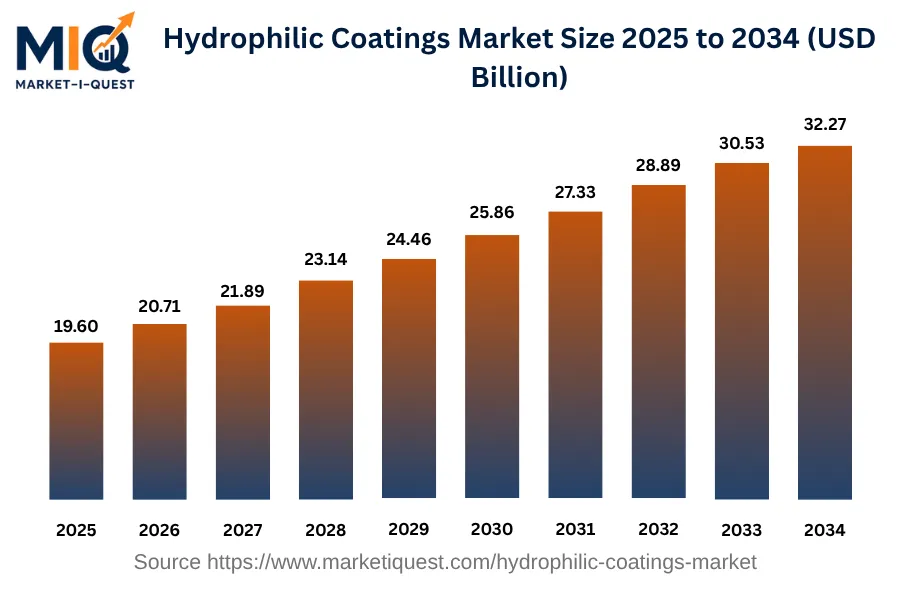
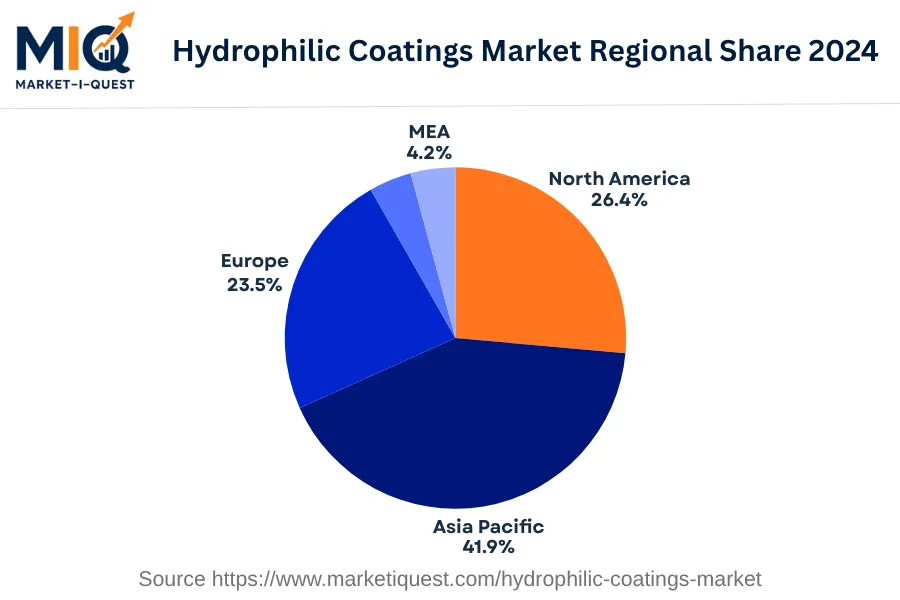
The hydrophilic coatings market has undergone significant advancements since the introduction of products like the Hydrophilic Polyurethane Coating by AdvanSix. This particular coating has been adopted for biomedical applications, showcasing the trend towards specialized coatings that enhance adhesion and biocompatibility. Furthermore, the regulatory framework has evolved, with the United States Environmental Protection Agency (EPA) emphasizing the need for sustainable materials in coatings. This has prompted companies, including Covestro, to explore water-based technologies that align with environmental regulations. In addition, the advent of 3D printing technologies, which use hydrophilic coatings, is gaining traction, particularly in Europe, where organizations like the European Commission are supporting initiatives for advanced manufacturing. Several automotive manufacturers, such as Tesla, have started implementing hydrophilic coatings to improve their vehicle performance and enhance safety features. This shift reflects a broader trend toward multi-functional coatings that can provide self-cleaning and anti-fog properties, appealing to industries beyond healthcare. Moreover, studies published in 2023 highlight the increasing application potential in the aerospace sector, where hydrophilic coatings are indispensable in resisting corrosion and enhancing aerodynamic efficiency. Market participants are, therefore, focusing their research and development efforts on tailoring these coatings' performance characteristics to meet specific regulatory and operational demands, ensuring they remain competitive in rapidly evolving markets.