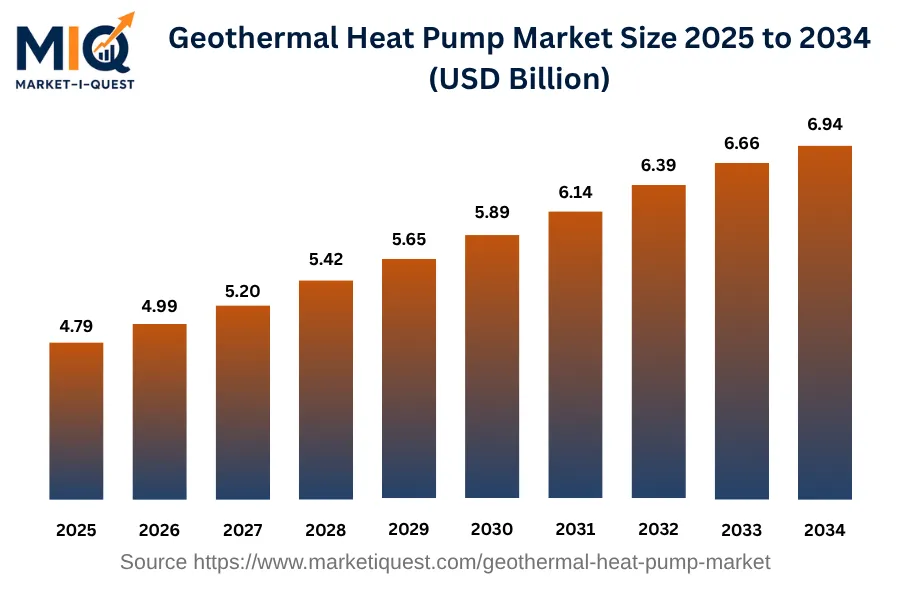
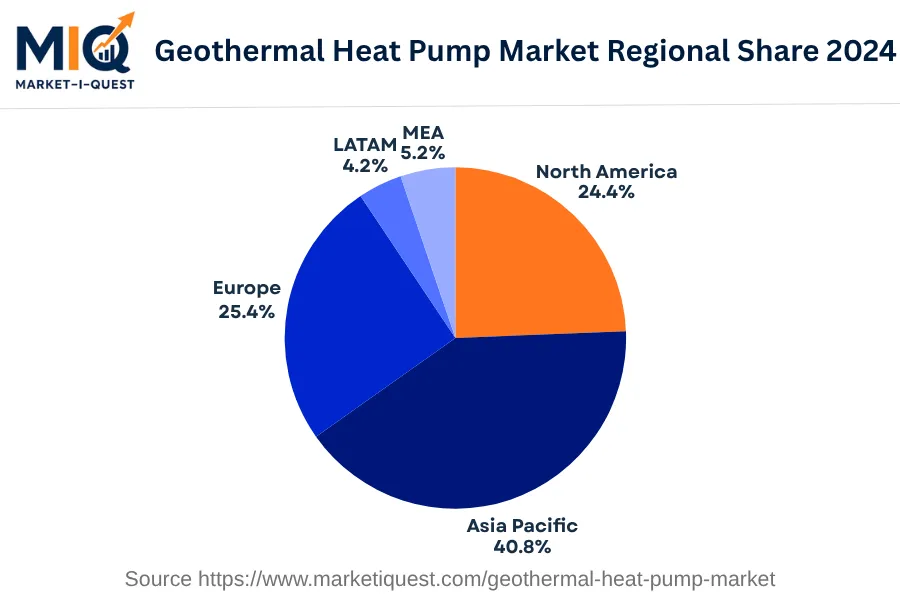
As awareness of climate change accelerates, and governments worldwide pursue net-zero emissions goals, geothermal heat pumps are well-positioned to play a significant role in heating and cooling markets. For instance, the European Union's Green Deal, introduced in late 2019, emphasizes the momentum toward sustainable energy solutions, aligning with the benefits of geothermal technology. In the United States, the Inflation Reduction Act of 2022 includes incentives that encourage residential adoption of renewable energy systems, including geothermal heat pumps, stimulating interest among homeowners. Countries like Iceland and New Zealand, which have abundant geothermal resources, are exploring the possibility of exporting geothermal technology and expertise to other regions. Collaborations, such as the partnership between the International Renewable Energy Agency and several key stakeholders, seek to reduce market barriers and improve access to geothermal solutions in underdeveloped regions. Additionally, as more cities implement stringent building codes requiring lower energy consumption, the integration of geothermal heat pumps in new construction will likely increase. Further, the application of geospatial mapping techniques is allowing for better site assessments and project feasibility evaluations, facilitating timely deployment. Effective public-private partnerships can enhance research and development efforts, leading to innovative geothermal applications, including district heating systems for urban centers. In this way, the future landscape for geothermal heat pumps is becoming increasingly optimistic, driven by regulatory frameworks and collaborative initiatives focused on sustainability.