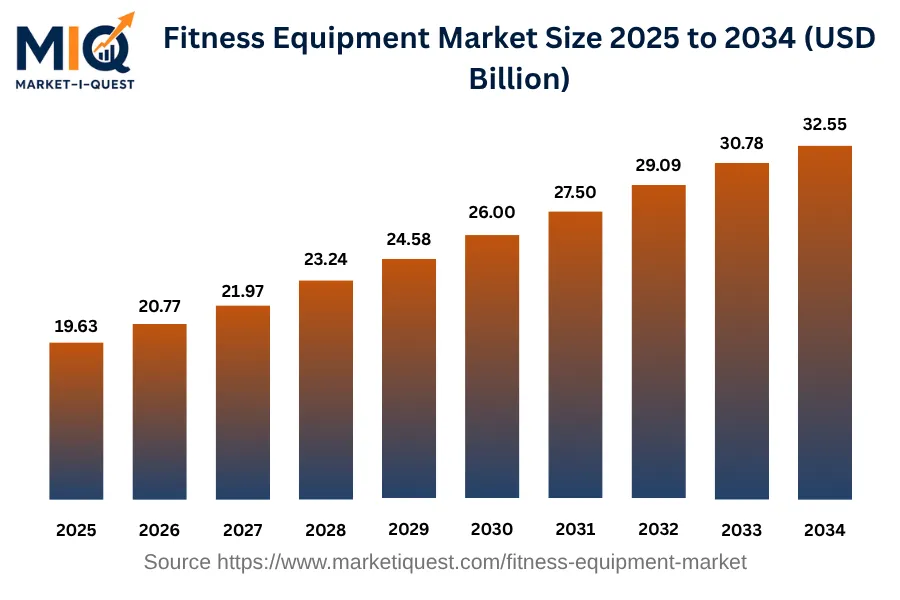
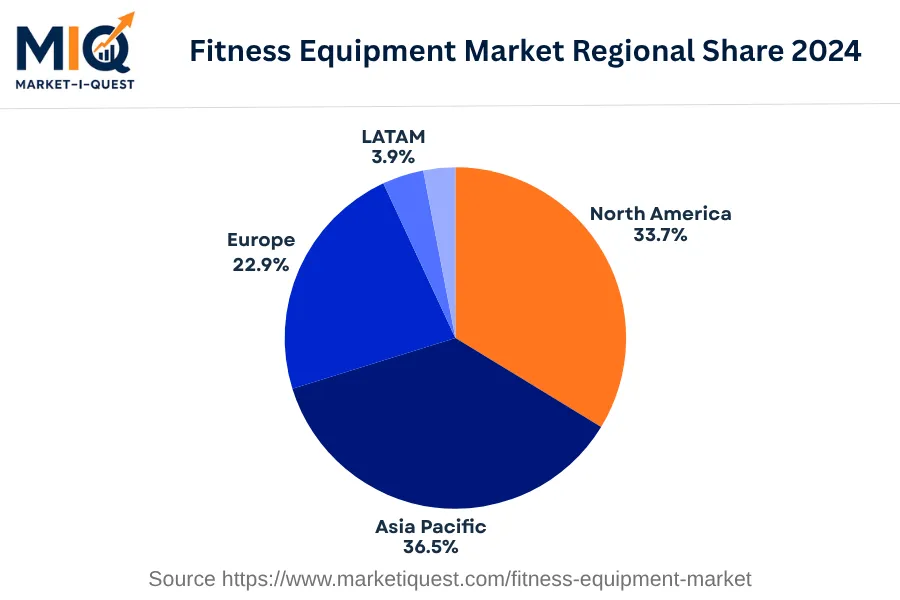
In 2024, North America's fitness equipment market saw remarkable dynamics driven by several factors. Intensifying health awareness, an increase in obesity rates, and a widespread culture of physical fitness acted as primary demand stimulants. Government regulations, such as the U.S. Affordable Care Act, incentivized fitness facilities, accelerating the growth of home gyms and the equipment market. Furthermore, significant investment in community fitness spaces in Canada, especially Toronto and Edmonton, fueled demand for diverse and modern equipment. Technological advancements were another critical driver, with digital integration like AI and IoT becoming commonplace in fitness units industry-wide.
Dominant trends in this market included a noticeable shift towards smart, networked equipment with integrated tracking, analytics, and customized programs. Consumers in the U.S., Canada, and Mexico increasingly favored on-demand, personalized fitness experiences, driving gyms and fitness centers to upgrade their offerings. Partnerships and M&A activities, such as the notable merger between ICON Health & Fitness and FreeMotion Fitness, also characterized the period. The rise of robust at-home exercise practices manifested in growing retail sales, intensified by companies refining their marketing and distribution strategies to reach households directly. Additionally, environmental consciousness affected purchasing decisions, with sustainable, energy-efficient equipment gaining favor, highlighting a growing trend where health and ecological concerns intersect.