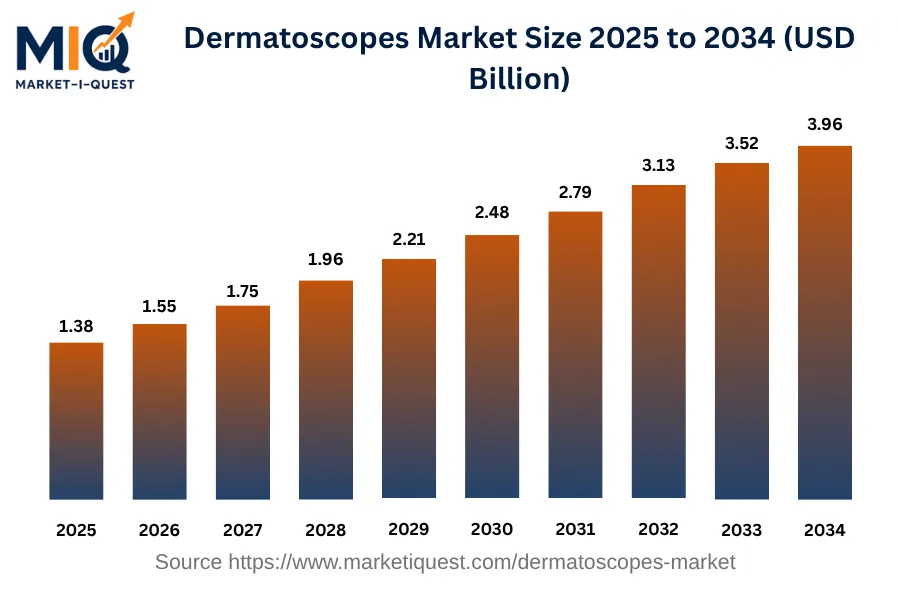
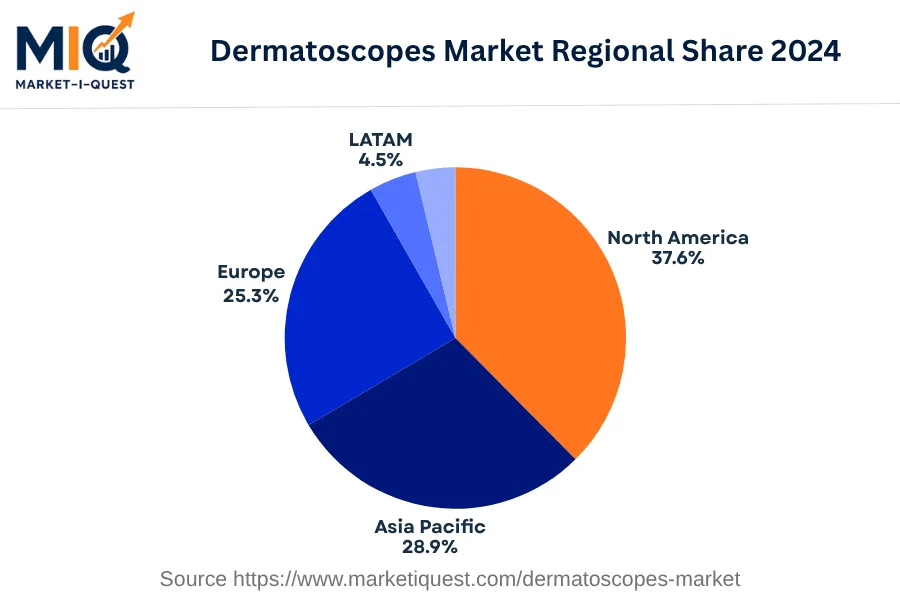
As dermatoscopes grow in popularity, there are considerable opportunities stemming from ongoing technological integration and changing patient needs. In 2022, the World Health Organization emphasized the importance of telehealth, particularly in underserved regions, underscoring the potential for portable dermatoscopes that can engage remote communities. Companies like MobileODT are already promoting devices to enhance skin cancer screenings in rural areas, demonstrating a proactive response to accessibility issues highlighted by the pandemic. Furthermore, collaborations between tech firms and healthcare providers are likely to escalate; for instance, many health systems are forming partnerships with software developers to enhance teledermatology services. Notably, in 2023, the partnership between the dermatologist organization and telecommunication companies focused on improving the quality of mobile dermatoscopic images for remote analysis. The regulatory landscape also presents future opportunities, as policies continue to evolve concerning AI integrations. The Integration of ISO standards on data security could facilitate wider acceptance of digital dermatoscopes, influencing both practitioners and patients. Moreover, educational resources surrounding skin health are becoming more prevalent, as evidenced by initiatives from dermatological associations to educate the public via online platforms, suggesting an increased market for dermatoscopes tied to patient education. Collectively, these factors indicate a significant expansion potential within the dermatoscope market driven by the continued convergence of technology, policy, and health education strategies.