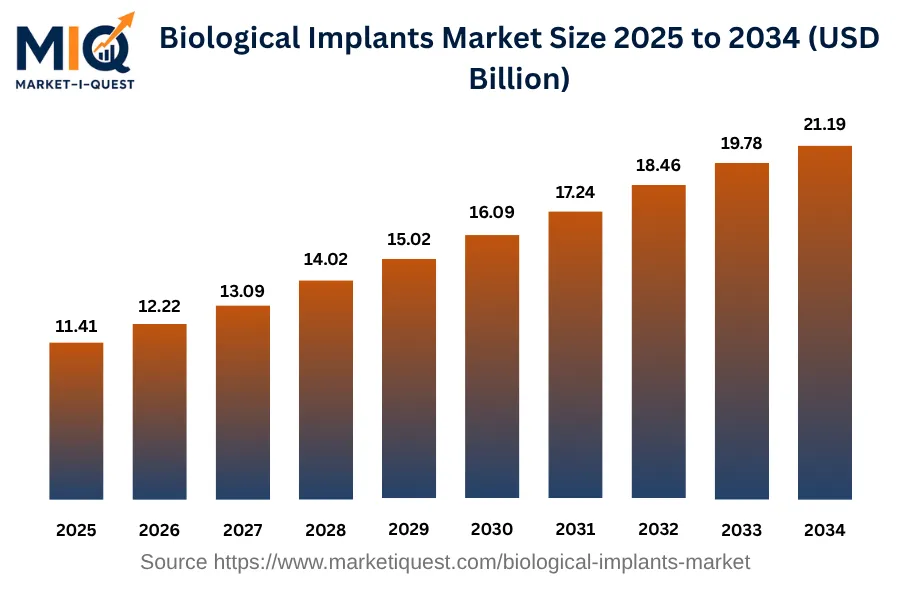
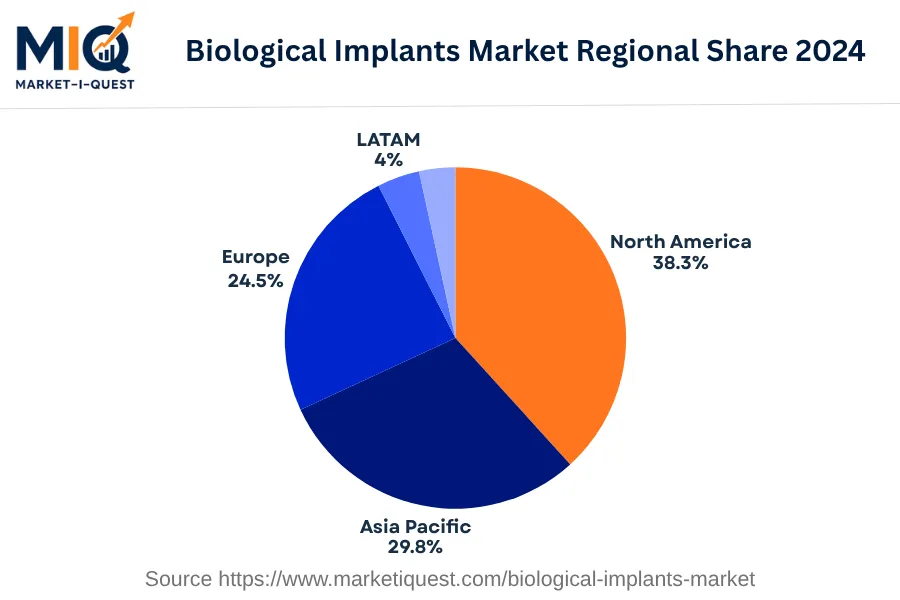
In 2024, the Biological Implants market in North America factors into medical, dental, and veterinary services. Demand stemmed from a growing senior population in need of orthopedic and cardiovascular implants, and an overall increase in the occurrence of chronic diseases. Regulatory approvals, such as the FDA's for various medical devices, also leveraged increased adoption of biological implants. Moreover, sustained investment into healthcare informatics amplified tracking and analysis of implant data, promoting accurate outcomes assessment.
Market Trends were primarily influenced by patient preferences shifting towards minimally invasive procedures, for which bio-implants offer a suitable option. There was significant growth in usage of 3D printing technologies, providing customized bio-implants to patients, enhancing their efficacy and compatibility. Digital Health initiatives in the U.S. and Canada facilitated data integration across bodies, aiding in monitoring implant performance, thereby influencing more informed purchase decisions. The collaborations between medical device manufacturers and technology firms led to advancements in smart bio-implants. The main sectors utilizing these products were hospitals, clinics, and ambulatory surgical centers, with significant deployment also in specialty units for orthopedics, cardiology, and neurology. Major customers included government-funded healthcare facilities, healthcare organizations, medical and dental offices, veterinary clinics, and private practices.